Introduction
Today, e-commerce is no longer just about speed or volume. Consumers also expect brands to demonstrate a clear commitment to the environment. Logistics, often seen as a constraint, can actually become a tremendous environmental opportunity for small and medium-sized businesses.
At Logisseo, we see it every day: by rethinking how they manage their supply chains, choosing sustainable packaging, and optimizing deliveries, small and medium-sized businesses can significantly reduce their carbon footprint while improving their competitiveness.
The environmental impact of the supply chain
Transportation, particularly the “last mile,” remains the largest source of CO₂ emissions. Packages are often shipped half-empty, resulting in a proliferation of unnecessary trips.
Added to this is the widespread use of non-recyclable and sometimes oversized packaging. The result: tons of waste every year.
Warehouses are no exception: heating, lighting, and returns management consume a huge amount of energy. According to ADEME, logistics accounts for up to 14% of global greenhouse gas emissions. For small and medium-sized businesses, reducing this impact is both a responsibility and an opportunity.
Practical Tips for Greener E-Commerce Businesses
Optimize deliveries
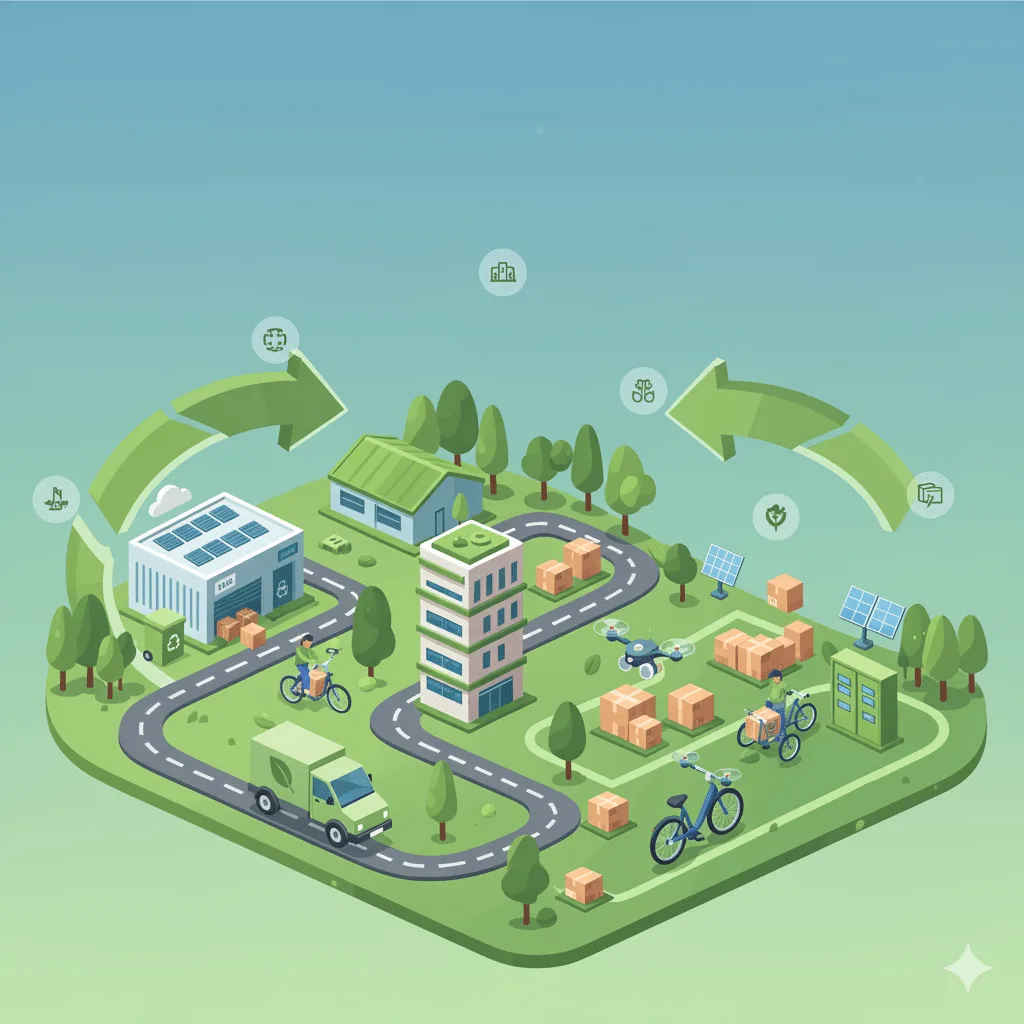
By consolidating delivery routes, partnering with carriers that invest in electric fleets, or offering more flexible delivery times, we can significantly reduce the number of miles traveled. Pickup points and click-and-collect options are also very effective.
Rethinking Packaging
Opting for recycled cardboard, minimizing empty space, and using biodegradable or reusable materials: these are all simple steps that reduce waste and enhance brand image. At Logisseo, we help our clients choose the packaging best suited to their products to prevent waste.
Better manage inventory and returns
Poor inventory management leads to stockouts (resulting in urgent, energy-intensive shipments) or excess inventory that sometimes ends up in the trash. With our integrated logistics solution, small and medium-sized businesses gain real-time visibility, reducing errors and unnecessary returns.
Improving Energy Efficiency in Warehouses
Energy-efficient LEDs, reinforced insulation, energy recovery: every detail counts. More and more companies are adopting standards such asISO 14001 to guide their environmental initiatives.
The role of a service provider like Logisseo
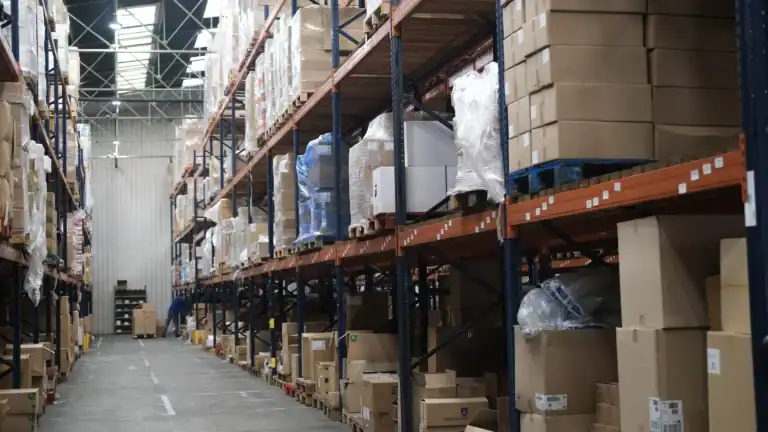
Outsourcing logistics may seem like an extra expense, but it’s often the opposite. By consolidating inventory in our warehouse in Angers—ideally located along major transportation routes—we help small and medium-sized businesses reduce unnecessary travel.
Our experience (processing over 25,000 orders per month) enables us to consolidate shipments, optimize packaging, and work with carriers committed to the energy transition. The result: lower CO₂ emissions, less waste, and smoother logistics for our customers.
We also offer customized support to help integrate CSR metrics (carbon footprint, packaging recyclability, optimized return rates), so that companies can communicate transparently with their customers.
Why it’s an economic and marketing tool
Sustainable logistics isn't just a matter of ethics—it's also a winning strategy.
- Costs related to fuel, packaging, and returns are decreasing.
- Brands are boosting their credibility among environmentally conscious consumers.
- SMEs are preparing for upcoming regulations, such as the future carbon tax.
- They stand out in a highly competitive market by demonstrating a genuine commitment.
Conclusion
E-commerce logistics should not be viewed as a “necessary evil,” but rather as an ecological and strategic asset for small and medium-sized businesses. By adopting more responsible practices and partnering with a company like Logisseo, it becomes possible to balance performance, profitability, and environmental responsibility.
FAQ
What are the main environmental impacts of e-commerce logistics?
Transportation, packaging, warehouse energy consumption, and returns management are the main sources of emissions and waste.
How can an SME reduce its logistics carbon footprint?
By optimizing delivery routes, reducing packaging, improving inventory management, and choosing a committed logistics provider like Logisseo.
Why can outsourcing logistics help you be more environmentally friendly?
A service provider like Logisseo makes it possible to consolidate shipments, centralize inventory, and optimize packaging, thereby reducing transportation distances and waste.